Author Archives: Noelmcoughlan

The Real Unconquered Sun

3541392299_f0f141a1f7_o

This image might remind you a little of the Statue of Liberty.  However, it is in fact a roman sun god by the name of Sol Invictus, sometimes translated as the Unconquered Sun.  His worship was popularlised in the third century by the emperor Aurelian.

At the time that Aurelian took over the Roman Empire, it was in decline due to civil wars and poor leadership. In the west, part had broken away to form the Gallic Empire, while several of the eastern provinces had become the Palmyrene Empire.  Barbarians were pouring what was left.  Things were looking pretty bad.

Aurelian reversed the decline, reunited the empire and dealt with the barbarian threat. He was a zealous reformer. He also encouraged all the people of the empire to follow one god, Sol Invictus, in a manner very similar to Constantine The Great’s later adoption of Christianity. Indeed, it is interesting that Sol Invictus is found on roman coinage until then.

We will never know what might have happened to the Roman Empire, if Aurelian had survived longer to consolidate popular devotion to his religion. He died violently as so many emperors before him. A strict disciplinarian, he engendered terrible fear among his subordinates. He even looks severe in many of his surviving images. In the end, it cost him his life. A secretary, fearing terrible punishment for a small lie, concocted a greater lie to save himself.  He convinced other officials that the emperor intended to have them executed, so they struck against Aurelian first, and the rest is, as they say, history.

1194892900_505d030f1f_o

 Image sources: Flickr 1, 2

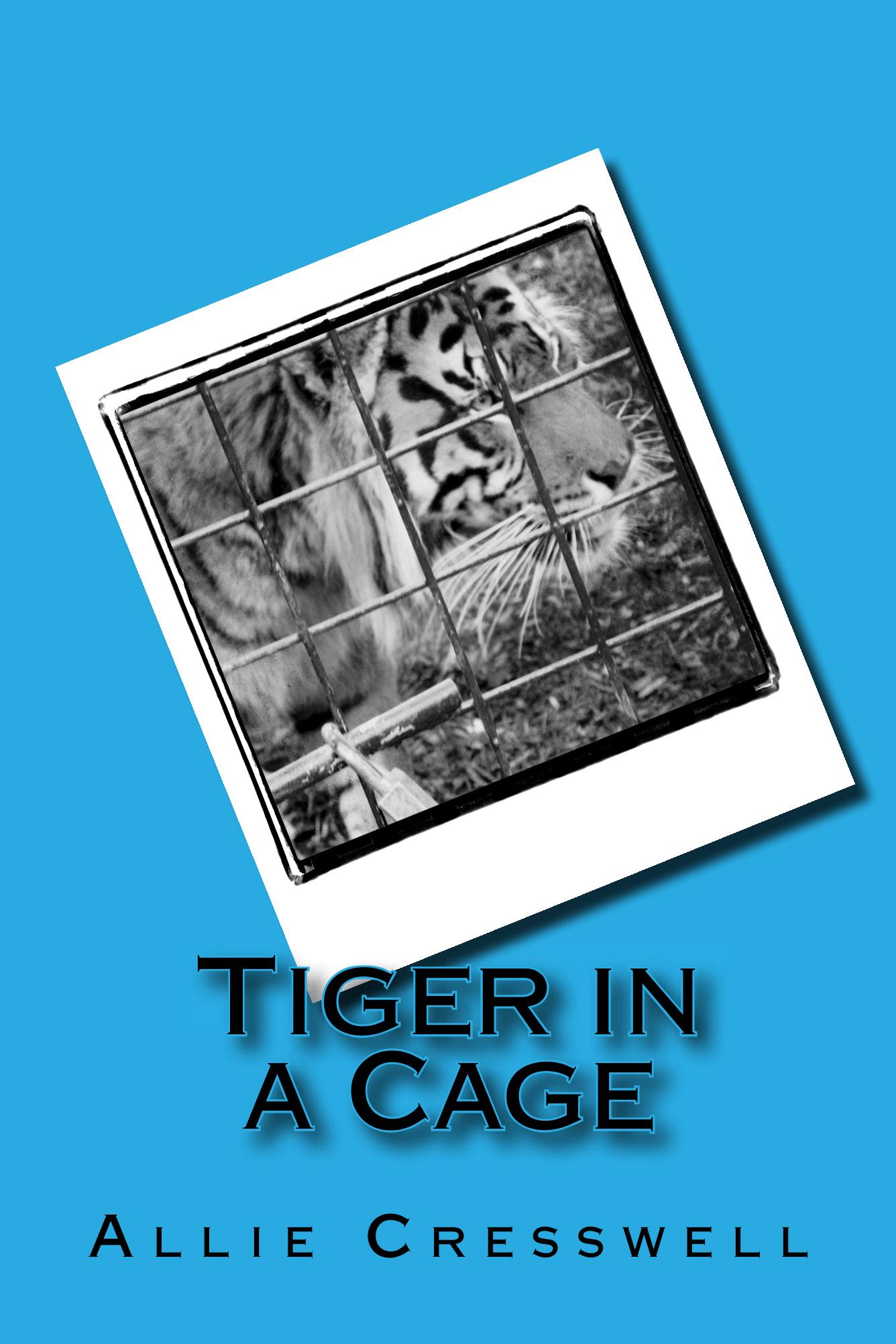
Tiger In A Cage By Allie Cresswell

Tiger_in_a_Cage_Cover_for_Kindle

This novel has two narrative threads. In the first, told in the past tense, the somewhat prudish Molly, trapped in a loveless marriage, attempts to turn her new neighbours in the Close into a surrogate for the loving family she has never had. The second thread, told in the present tense, picks up years later, after the Close Set has dispersed. Molly struggles to deal with their growing estrangement. The narrative gradually reveals why the perfect world Molly so desperately wanted was impossible.

Molly is a lover of Jane Austen, and, in some ways, although this is set in the eighties, this feels like a 19th century novel. The writing is excellent, as are the characterisations, mostly. Initially, it was very daunting to meet the Close Set. They were all fleshed out very well, but some made a more immediate impression than others as each couple paraded out to be introduced. However, as the book progressed, this fog of names dissipates and you get to know them intimately. Molly herself is very well drawn and entirely believable.

It is an excellent novel, and yet I never quite connected with it emotionally. The crises of the past were very much ‘told’ while the present thread, for me, lacked crisis. Though Molly dabbles in other people’s lives, she never makes a dramatic decision about her own. Circumstances choose for her. The characters outside the Close Set don’t really pull their narrative weight. Also, I wasn’t convinced by the reason Molly was writing all this down.

The author plays a dangerous game with the reader by depending on revelation to drive the drama. Some of these revelations, the ones where we share the discovery with Molly, are very effective. I liked when Molly was forced to rethink her interpretation of past events. But, there is also a certain revelation where Molly already has the answer, and she holds it back from the reader for no obvious good reason. It distanced me emotionally from the narrative.

Despite these quibbles, I still absolutely recommend this book to lovers of good literature.

I received a copy of Tiger In A Cage for an honest review.

Years of Stone By Beth Camp

bluebethly_yearsofstone_Zambrano

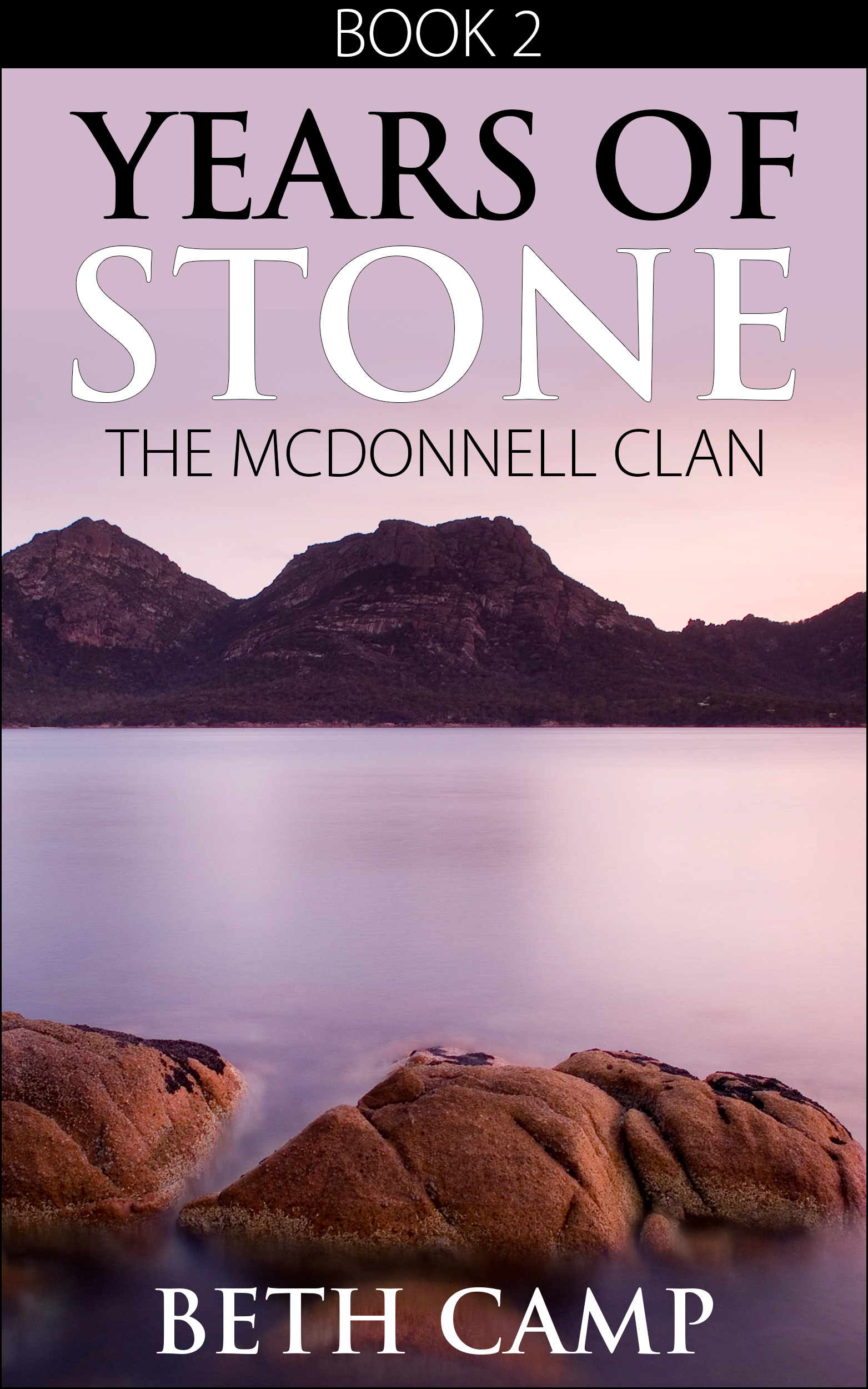
Mac  McDonnell has been sentenced to seven years in Van Diemen’s Land. His love, Deidre (‘I am affianced.’) Scott, follows him there on the same ship, Brilliant. The novel opens with the ship sinking. Can Deidre overcome the series of obstacles keeping them apart?

Years of Stone is a novel full of rich detail. Real persons from the time, such as the Franklins. are woven seamlessly into the fabric of the story, and the setting feels authentic. The story worms its way through every stratum of colonial society. It reminds me of Zola’s Rougon-Macquart novels. I felt that I, like the main characters, had been transported to another land.

It is the second novel in a series, but it feels complete in itself. I will definitely look up the first book when I get a chance.

On to the bad stuff… I can’t really think of anything to be honest. Mac was often his own worst enemy, but I suppose it is easy to have patience when you aren’t breaking rocks twelve hours a day. Years of stone, indeed.

I received a free copy of this book for an honest, non-reciprocal review.

Click Bait

There are a lot of good on-line articles on writing and publishing, but there are some not-so-good ones also. Nothing is more annoying than coming across a tweet with a link to say The Three Key Things You Must Know Before You Publish only to find when you click on the article tells you absolutely nothing of any use. Or, like Fifty-Five Short Story Competitions for Jack Russell Owners, the article turns out to be just a list of links, half of which don’t work, with a disclaimer at the bottom that the author isn’t entirely sure that these are short story competitions or that the organizers like dogs.

With that in mind I’ve written my own bait click article.

Ten Critical Things You Must Do To Write A Book:

(1) Breathe. Dead people cannot write a book.

(2) Open your eyes. Otherwise, you cannot see what you are writing.

(3) Have an original idea. It can be fiction or non-fiction. Non-fiction is generally truer than fiction.

(4) Have something on which to record your story. Examples include word processors, blank pages, vellum, papyrus, and clay tablets.

(5) Use the appropriate tool to record your story. For example, pens and quills work well for blank pages, but not for tablets and computer screens.

(6) Write in a language you understand.

(7) Make sure you understand the concepts of ‘book’ and ‘novel’. Check them out on Wikipedia.

(8) Read lots of books about writing and publishing. You can find these books in book shops and on-line stores. They will cost money, but they are worth it if you want to build a successful career.

(9) Get a dictionary. If you don’t know what this is, look it up.

(10) Read my book as a good example of how the finished product should look. It’s cheap and it’s on sale at Amazon, Smashwords, Kobo, Itunes, etc. There’s even a paperback.

DISCLAIMER: The author of this article does not maintain that this is an exhaustive list of steps, or that all steps listed are required in every case to write a book. The order of the steps is not prescriptive. The reader should do his/her own research.

Tab

Two Steps From Hell

When I am in the mood for music while I am writing, I often turn to classical music or movie soundtracks. However, Two Steps To Hell dominates my favorite playlist. They are an American music production company. Their music is used on many film, trailer, video game and television soundtracks. You also will hear their music on advertisements. It is very dramatic, powerful music, ideal for writing battle scenes. My favorite albums are Invincible, Archangel and SkyWorld. If you want to learn more about them, check out their website.

Burren Tolkien Society Festival

STA70216


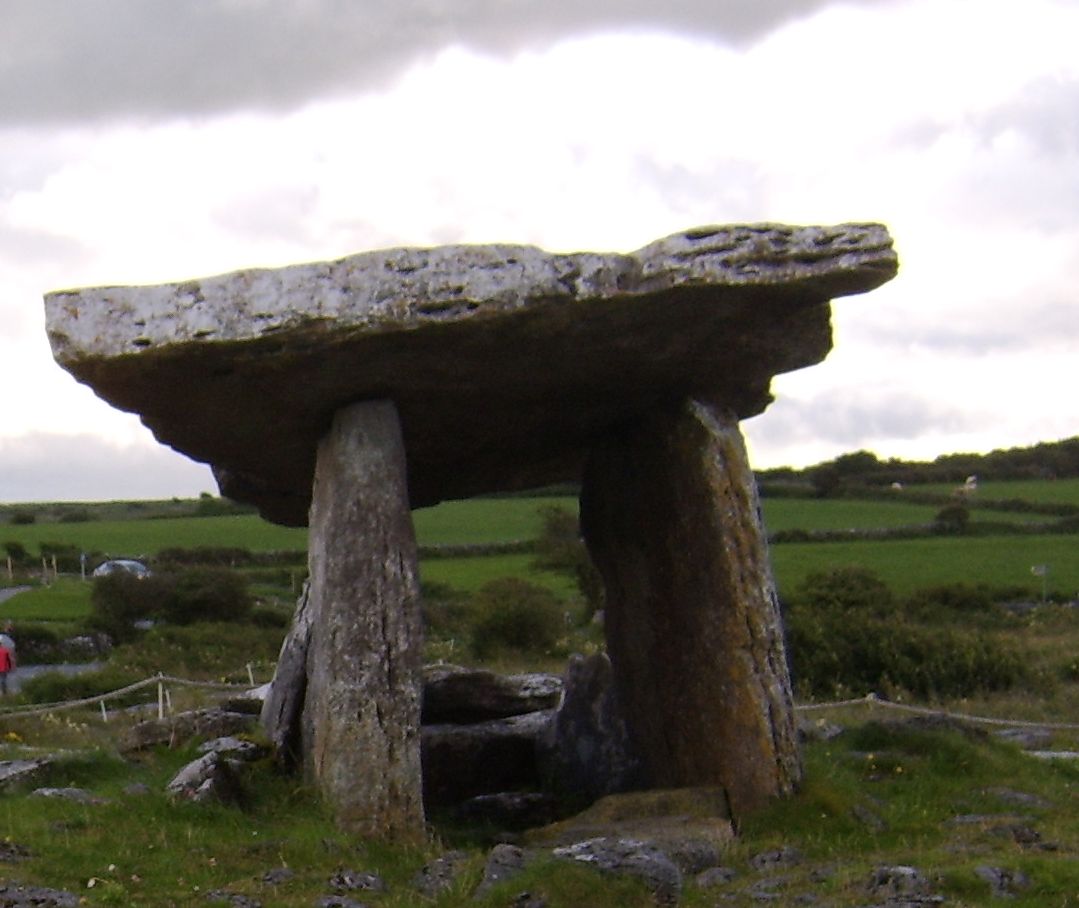
The Burren Tolkien Society is holding their second festival from 15th to 24th of August 2014. They will be having lectures, debates, readings (including one at the Poll na gColm cave system), guided tours of the Burren, and lots of other events, so if you are in the area you might like to check it out. More details of events and Tolkien’s association with the Burren can be found at http://www.burrentolkiensociety.ie/

The Last Innocent by K. Chrisbacher

TheLastInnocentCoverweb (4)

The Last Innocent is a well-written angelic fantasy adventure. Sarah, the heroine, is a likeable character. I liked the way her strong willed nature acted sometimes as a weakness, sometimes as a strength. David is her guardian angel who must protect her from demonic forces, but his powers have their limitations. They inhabit a detailed, well-considered world which Chrisbacker gradually reveals one piece at a time, predominantly through the eyes of the main character (though her angel is also a key pov). A lot of biblical, mythical and historical references are deftly weaved into the story without weighing down the story.
The writing is crisp. The book is well plotted. There are plenty of surprises along the way. Though the ending leaves a few unanswered questions for a sequel, the main focus of the book is resolved satisfactorily.
I received a free copy for an honest review. You can learn more about K. Chrisbacher and her books at http://kchrisbacherauthor.weebly.com/.

Cattle In Ancient Ireland by A.T. Lucas


medium_1846375599

Normally, I like to include a picture of the cover, but this book’s cover is not exactly inspiring – grey, and lined in blue like a copybook. It’s what is within the covers that makes it special. Ever read The Táin and was curious about its historical background? Cattle In Ancient Ireland examines the pivotal role that cattle raiding, and cattle in general, played in ancient Irish society, Cows were prized possessions, a measure of a man’s wealth. The book contains lots of fascinating details like mourning cows, cows in payment for poems, cow-blowing, cows in erics and fines, and the drawing of blood from living cows for food. Cattle raiding was such an accepted custom that new kings raided their people’s enemies to prove their worthiness.

The book appears to be out of print, but anyone who is interested in Celtic history, or history in general, would enjoy this book if they managed to find a copy.

ISBN 0-86314-146-3

photo credit: publicenergy via photopin cc

The Worst Advice On Prologues

Prologues:

Some people love them. Some people hate prologues. Some skip them. Agents don’t like them, apparently.

Personally, I don’t like prologues that have only tangential relevance to the story, and I don’t like infodumps. Some people love a good six page history lesson. Some people might love tangential prologues too, though I have never come across anyone who publicly stated it.

If a prologue is interesting and relevant, I have absolutely no problem with it. I have even written one or two.

This post is not really about the virtue of prologues. It is about the lack of virtue of a certain piece of advice related to them. It runs something like this:

A writer walks into a bar and says to the barman, “I want to keep my book’s prologue but, if I do, my book will never get an agent. Prologues have gone out of fashion like the letter thorn.”

The barman scratches his head and answers, “I just serve drinks, but it seems to me, the best thing you can do is scrap the prologue.”

The writer jumps up and down. “BUT I CAN’T!! IT’S MY BEST WRITING EVER!! I LOVE IT MORE THAN LIFE ITSELF!!”

The barman waits for the writer to calm, pours him a stiff drink, and says, “Okay. This is what you do. Make the prologue the first chapter. Agents will read it and never realize you slipped them a prologue.”

If this reads like a joke, it is because it is. Don’t be the butt of it.

Turning your prologue into Chapter 1 is a terrible idea.

(1) Readers will assume Chapter 1 is the start of the story and the characters it introduces are important to the plot. When that turns out not to be the case, they will be confused/betrayed/annoyed.

(2) Agents will work out that Chapter 1 is a disguised prologue when they start Chapter 2. Will they be impressed? No. Their reaction is likely to mirror that of the readers.

If a prologue can successfully pass as the first chapter, then it was never a prologue in the first place.