Category Archives: Review

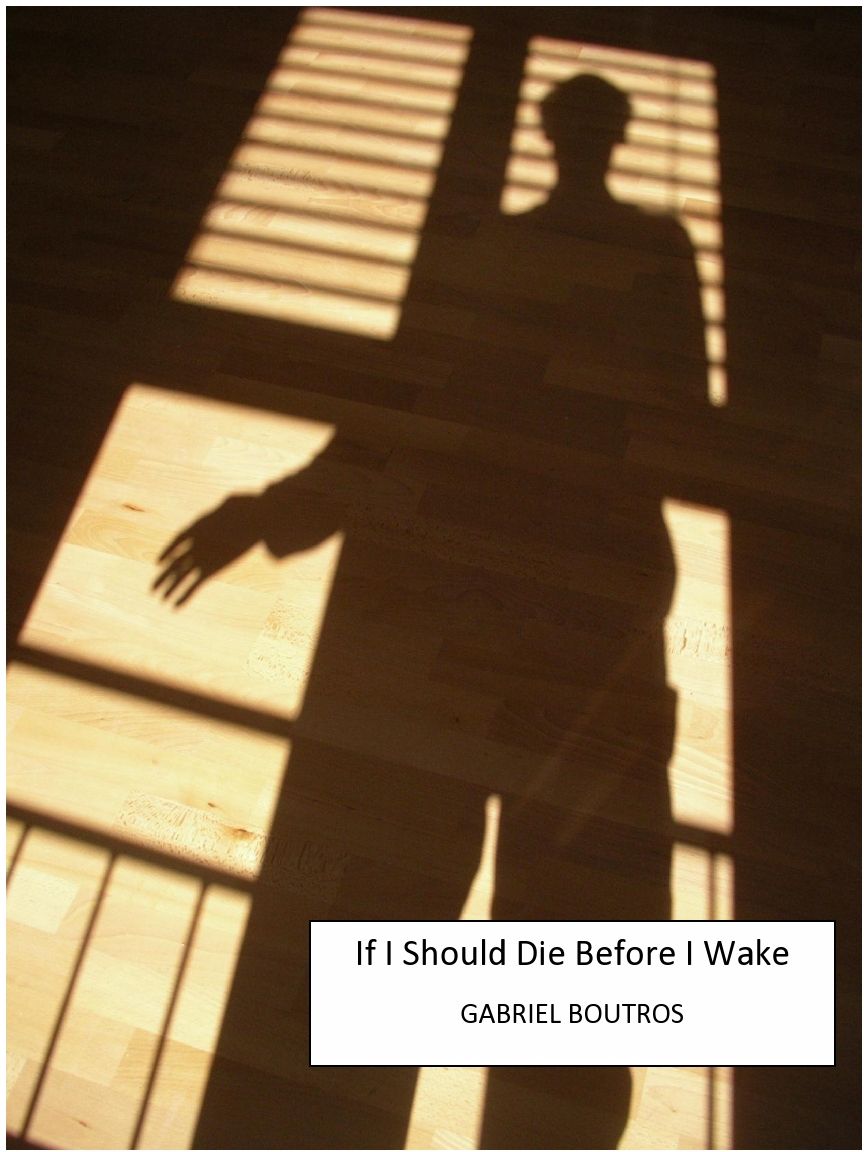
If I Should Die Before I Wake By Gabriel Boutros

IF Cover 2 (1)

I received a free copy of this book in exchange for an honest, unbiased review.

This is a very short book. It is hard to sympathize with the two main characters. Simon Wallis is a criminal on the run from his boss after he is discovered embezzling money. Frank Burke is the assassin sent to Montreal to kill him. If Simon is unlikable, Frank is a pure psychopath, ready to kill anyone to protect his identity. Though both are well drawn, we don’t learn a great deal about either’s past. And we don’t need to. The thrill of the chase and its ultimate outcome is enough.

Boutros expertly weaves the two stands of his tale into a cohesive story. He draws often ironic parallels in the two men’s experiences. For example, the hitman dreams of being on the run while his prey has dreams of being the hunter. The ending took me by surprise, but was quite apt.

All in all, an excellent if short read.

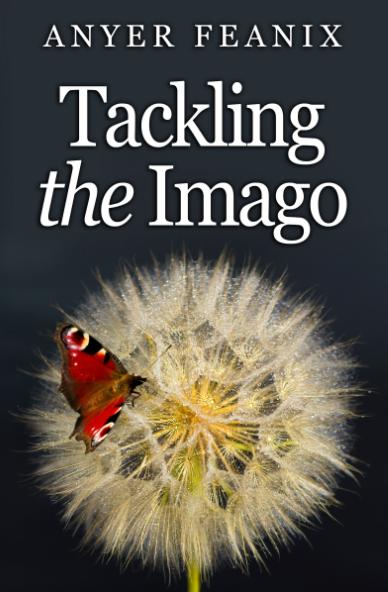
Tackling The Imago By Anyer Feanix

TTI_small

I received a free copy of this book for an honest review. Lucky me. This is a brilliant book. Gina is an engaging person, and the diary format perfectly reflects her character – a pleasant, jocular veneer concealing a much darker nature.

This is a book about obsession and its roots. Feanix displays a shrewd understanding of human nature. In a couple of scenes, the depth of her insight was awe-inspiring.

There are a couple of things that a prospective reader should be aware. Do not be fooled by the levity at the start of the book. This book deals with dark issues. Also victims of hippopotomonstrosesquipedaliophobia (fear of long words) may find some of the word choices challenging. (By the way, that word doesn’t appear in the book.) This is explained as a product of Gina’s study of English as a foreign language, but Gina also seems to use it sometimes to distance herself emotionally from what is happening. In any case, don’t let the language put you off. This book is really worth the effort.

The Death World Books – The Good, The Bad & The Ugly.

Death World is a really entertaining read. Jason dinAlt is the hero, a gambler with psionic abilities who is hired by the ambassador of planet Pyrrus (hint, hint) to engineer a gambling coup. He ends up visiting Pyrrus, the most deadly planet ever colonised by humans.  All plant and animal life is predatory, and the colonists are locked in a ceaseless battle with them. The colonists, despite their incredible toughness and discipline are slowly losing the battle. Jason sets out to understand this mysterious phenomenon and save the colony. It was a clever story and I really enjoyed it.

I enjoyed the sequels a lot less.

WARNING: THE PARAGRAPHS BELOW CONTAIN SPOILERS.

Having enjoyed Death World, I looked forward to Death World 2. My initial issue was that the world Jason is stranded on in the sequel isn’t as inventive as Pyrrus, and it didn’t feel as deadly. However, a much bigger issue was Micah.  The entire book hinges on him being incredibly annoying and doing annoying things, and well. for me at least, he overachieves.  He is the most annoying character in any book I’ve read. EVER. So much misery could have been avoided if what had happened to him at the end happened to him at the beginning. I suppose I have to rate the book a bit higher than I otherwise would, because Micah made such an impression on me, albeit not a very happy one.

Death World 3 started out interesting but it rapidly became clear we were dealing with some pastoral warrior/invader setting. Jason’s plan find a home for the Pyrrans on this third planet is convoluted and over-the-top. He effectively facilitates genocide of the more advanced lowland cultures to wear out the warlike tribesmen in his way.  It is an example of where you are supposed to root for the hero because he is the hero, and ignore the morality of his actions, actions that any dastardly villain would be proud of.  I didn’t enjoy it so much.

A Trio of Ecological Apocalypses

I must have weak spot for ecological apocalypses.

One of the first SF books I read was Day of the Trifids by John Wyndham. I discovered it through the 1980’s BBC television version. The beginning of the book remains vivid in my memory. The protagonist, after being blinded by a Trifid attack on the farm, awakes alone in hospital.  Nobody answers his cries for help, so he is forced to remove his bandages and search the empty hospital. I was absolutely hooked on the series and I was hooked on the book.

It has been described as a cosy catastrophe. And it is. It is the apocalypse that you can bring home to your mother for tea. Yes, there are trials and obstacles, but the trifids create an eerie emptiness about the world which makes life relatively comfortable for the protagonists. They seize the disaster as a chance to build their own idyll in the countryside. Their focus on their own survival and comfort.

In The Death of Grass by John Christopher, a virus kills all grasses plunging the world into famine and chaos. It is a darker work than Day of the Trifids because the protagonists’ enemy is well pretty much everyone else who is struggling to survive. There is no general incapacity inflicting the population. No trifids helpfully empty the land of inhabitants and moral dilemmas. It’s ‘them or us’ where morals take second place to survival. If you brought this one home to your mother it would hold her at gun point while it emptied the larder.

The Day of the Trifids was published in 1951. The Death of Grass was published in 1956. Greener Than You Think by Ward Moore was published in 1947. It is a satire rather than an adventure story. The threat this time is that one plant (a Bermuda grass treated with a special growth chemical) slowly spreads across California and beyond, swallowing cities and making vast tracks of land uninhabitable.

One challenge with this book is that the narrator, Albert Weener, is unreliable. He sees himself as the hero whereas he is the villain and more of a monster than the weed. Plus the reader’s impression of events and characters is initially filtered through his (self-serving) point of view.

Also, the momentum of the story flags a bit in the middle, but the ending redeems it (at least for me). Overall it is well worth reading. And you can get it for free at Project Gutenberg at http://www.gutenberg.org/ebooks/24246.